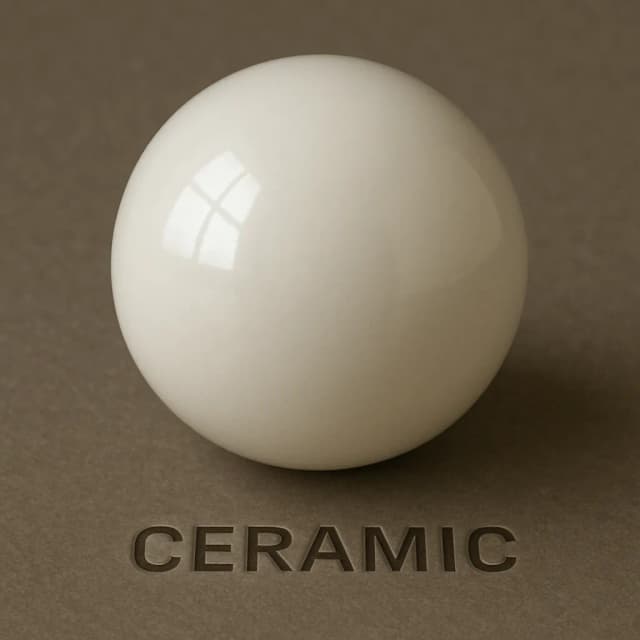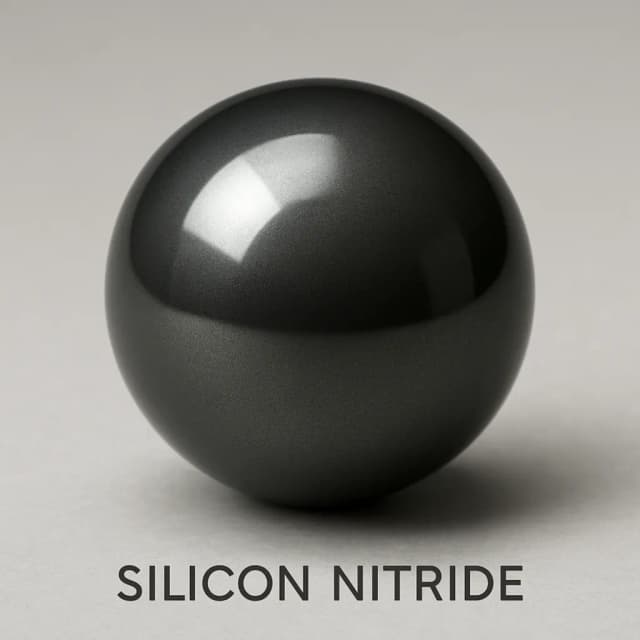
While steel balls have been the industry standard for over a century, the demands of modern engineering are pushing materials to their limits. In environments where extreme heat, aggressive chemicals, or electrical arcing are present, advanced ceramics are taking over.
The Limitations of Steel
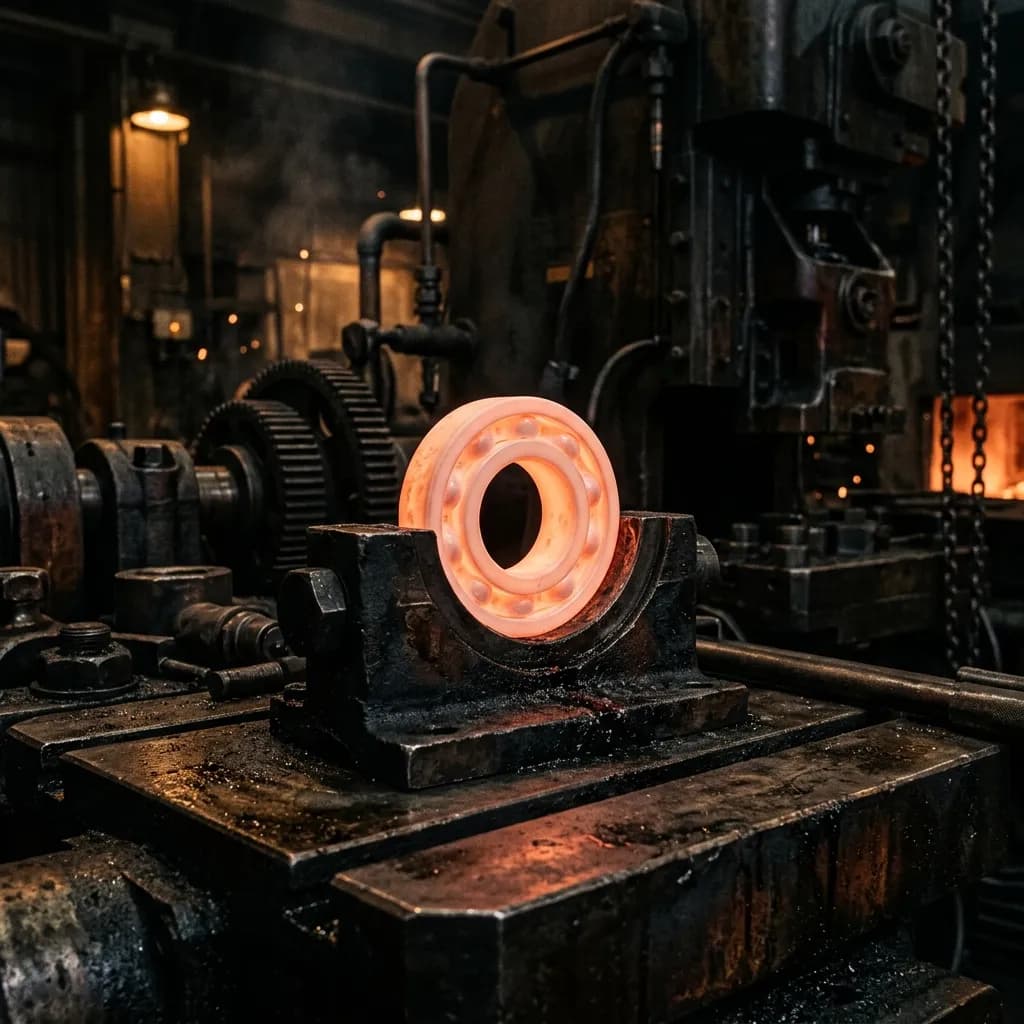
Even the best stainless steel (like SS316 or 440C) has a temperature limit before it loses hardness and structural integrity. Furthermore, steel is highly conductive to electricity and heat, and remains vulnerable to certain strong acids and chlorides.
The Rise of Silicon Nitride (Si3N4) and Alumina (Al2O3)
Technical ceramics offer a unique set of properties that solve these problems:
- Extreme Temperature Resistance: Ceramic balls can operate at temperatures exceeding 1000°C (1800°F) without losing their hardness or shape.
- Corrosion Immunity: Ceramics are chemically inert. They will not rust or corrode, even when submerged in strong acids, alkalis, or seawater.
- Electrical Insulation: Unlike steel, ceramics do not conduct electricity. This makes them essential for bearings in electric motors, preventing electrical arcing that causes premature bearing failure.
- Low Density, High Hardness: Silicon nitride is much lighter than steel but significantly harder. This reduces centrifugal force in high-speed bearings, reducing friction, heat, and wear.
If you are experiencing premature bearing failure due to harsh conditions, contact Rama & Sons to discuss upgrading to our premium Silicon Nitride or Ceramic Balls">Alumina ceramic balls.